Getting to know the L&S New Teaching Assistant Training
Training Goals & Outcomes
L&S New TA Training provides a foundational, college-wide orientation to equip TAs with the essential knowledge and skills to begin their teaching roles confidently. The training focuses on general pedagogical principles, core campus policies, and practical strategies that apply across disciplines. It establishes a common baseline of inclusive, effective, and sustainable teaching practices.
By participating in L&S New TA Training, TAs will be motivated and equipped to be effective and inclusive teachers.
Specific Learning Outcomes
L&S New TA Training enables TAs to:
- Apply effective and sustainable teaching practices to their own teaching context.
- Use proven strategies to create learning opportunities and environments where all students have an equal chance to thrive.
- Build confidence in their own skills to successfully navigate classroom challenges.
- Identify essential campus policies and resources.
- Use basic Canvas features relevant to their role.
- Connect personally with peers from across L&S, including an experienced TA mentor.
At-A-Glance
In-Person Training
Our Fall in-person training takes place in August the Thursday before classes start, with Spring training dates and format varying.
Online Asynchronous Training
Our Canvas site opens at least two weeks before the live training. It serves as a resource for key pedagogical principles & campus policies.
We Also Offer a Returning TA Workshop!
Separate curriculum for TAs with experience to continue developing their skills offered every August.
What We Cover: Live Training
Small Group Sessions
An experienced L&S Teaching Mentor will work with small groups of TAs, facilitating the following activities and guiding discussions:
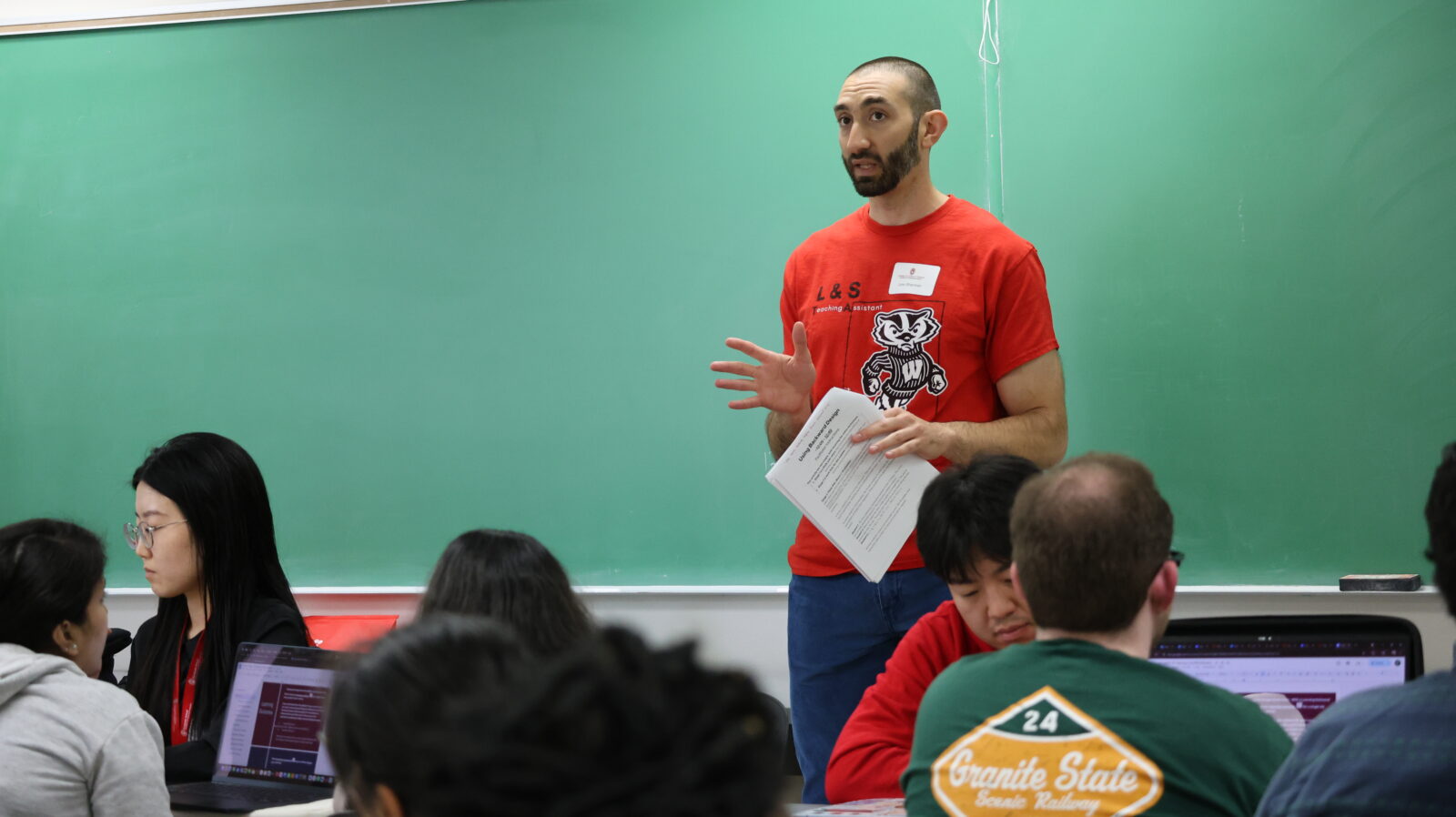
Demonstrative activity where TAs practice teaching a basic skill to a beginner, with emphasis on the importance of clear communication to students who have much less knowledge than the TA.
Demonstrative activity and discussion about teachers’ ability to unintentionally perpetuate or intentionally address pre-existing inequities in the classroom.
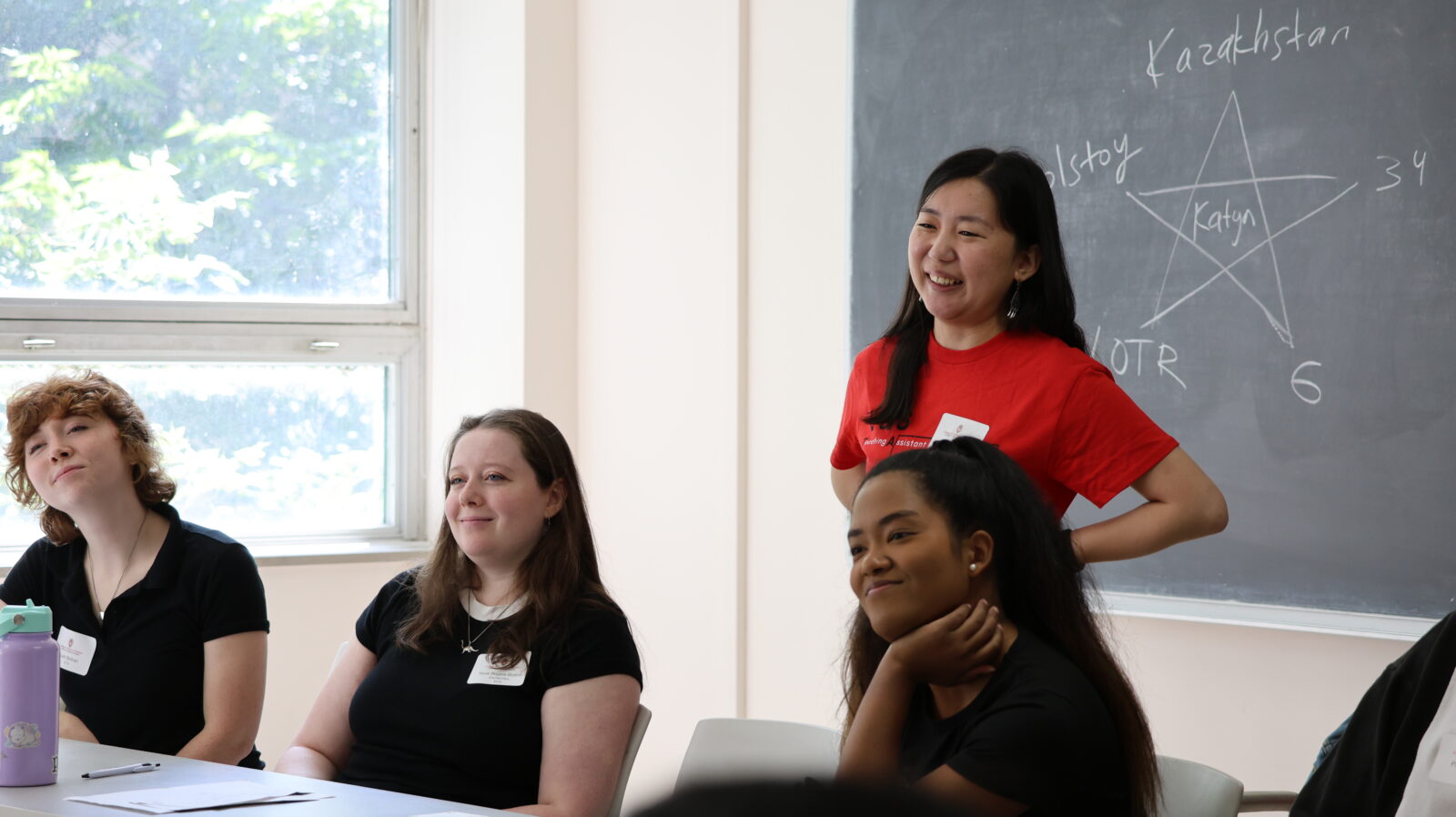

A guided scaffolded activity to apply learning outcomes in planning for TA’s own teaching contexts.
Case study and roleplay scenarios focus on common teaching challenges.
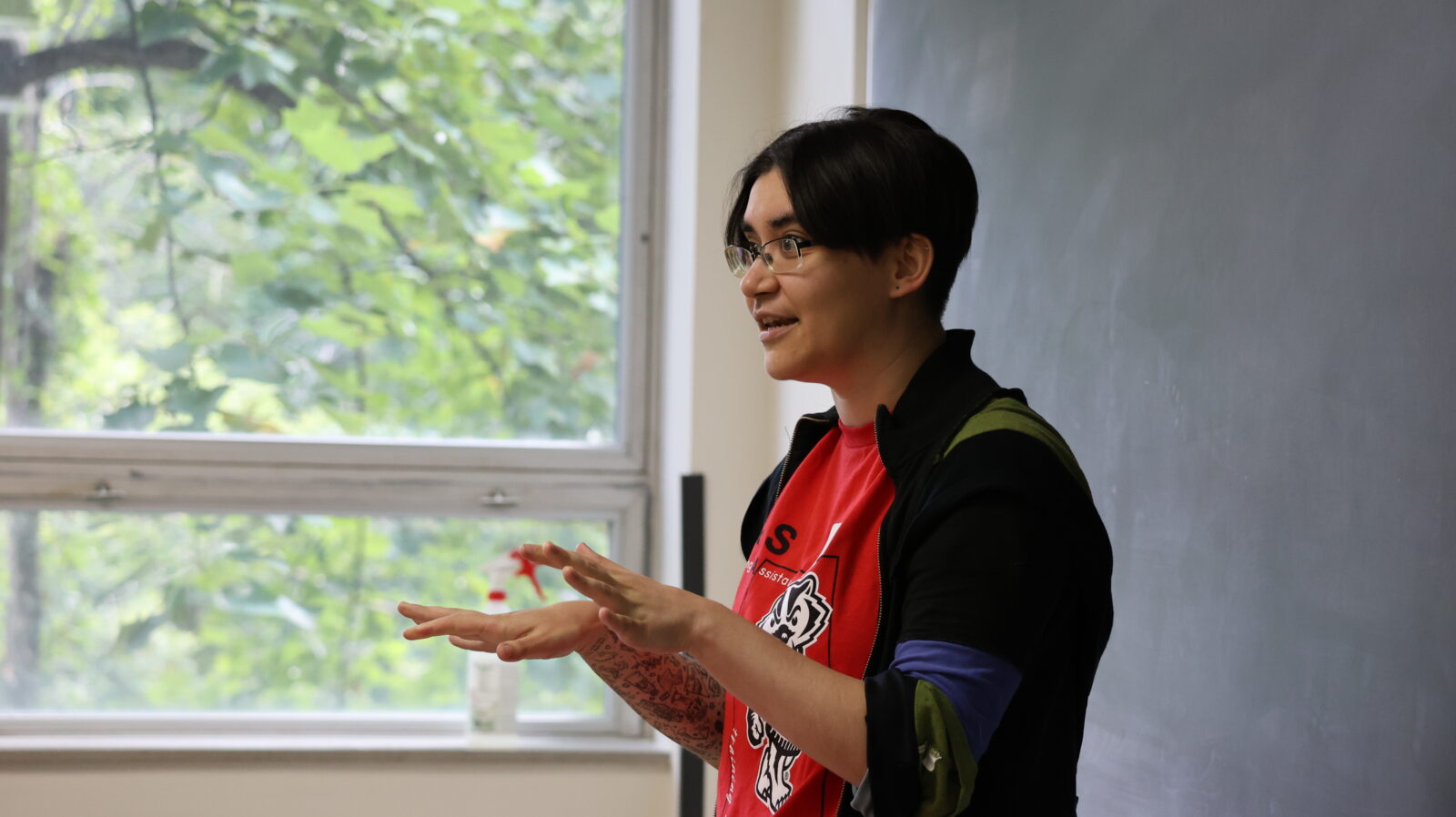
Q&A Sessions
- Campus Support for TAs: Featuring guests from McBurney Disability Resource Center, Office of Inclusive Excellence, UHS, and the Office of Student Assistance and Support.
- Experienced TAs Q&A Panel.
What We Cover: Online Training
Overview
Preparatory Materials
TAs work through a series of modules that prepare them to actively engage during the live training.
Lasting Resource
The Canvas modules also serve as a sustained resource that TAs can go back to throughout the year as they encounter new teaching situations.
Canvas Modules
This Module provides a basic foundation in pedagogical principles, along with examples and tips for applying these principles in different teaching settings (discussion sections, labs, and office hours). Topics include:
- Student-centered learning.
- Sustainable teaching practices, including grading sustainably.
- Establishing community by learning student names, using effective icebreakers, and setting expectations.
- Backward design and how to implement it: learning outcomes, assessments, and learning activities.
- Preparing for, facilitating, and navigating disruptions during a real teaching session.
In this Module TAs learn about the basic features of Canvas, including the option to practice in a “Sandbox” Canvas course. Topics include:
- Update your Canvas profile, pronouns, and notifications.
- Use Canvas to communicate with students.
- Student engagement through Canvas discussions.
- Share and organize content on Canvas.
- Collect assignments and grade work (Speedgrader).
This Module prepares TAs to identify and remember essential policies relevant to their TA role, and identify supportive resources for answering questions and helping students. These include:
- Employment and HR policies.
- Disability and accommodations (including McBurney Center).
- Digital accessibility.
- Academic policies and student support (advising, tutoring, career services, financial aid).
- FERPA.
- Academic misconduct.
- Artificial intelligence.
- Misconduct, harassment, and hostile behavior (Office of Student Conduct, Title IX, HIB).
- Campus safety (UWPD, active threat preparedness).
- Health and wellbeing (UHS services).
- Students in distress (Dean of Students Office suicide prevention training, crisis support).
- Resources for international TAs.
A Foundation for Departmental Training
College-level TA programming is designed to be a first step in a TA’s training and professional growth as a teacher. It is most effective when paired with training and mentorship at the departmental and/or course level.
College-level training focuses on:
Up-to-date information on campus policies and resources, maintained by administration; and opportunities to engage with key campus support offices.
Practice with basic Canvas skills, including access to a personal Canvas sandbox.
An introduction to basic pedagogical principles, that other trainings can build on.
Opportunities to engage with and learn from graduate students in diverse fields.
Department- and course-level trainings might focus on:
Understanding the students that TAs are likely to encounter.
Available local support (where to go within the department if TAs need help).
The TA workload and expectations of the TA.
Applying higher-level pedagogical strategies to local context.
Planning and facilitating an individual discussion, lab, or office hours.
Providing mentoring opportunities between new and experienced TAs within the department.